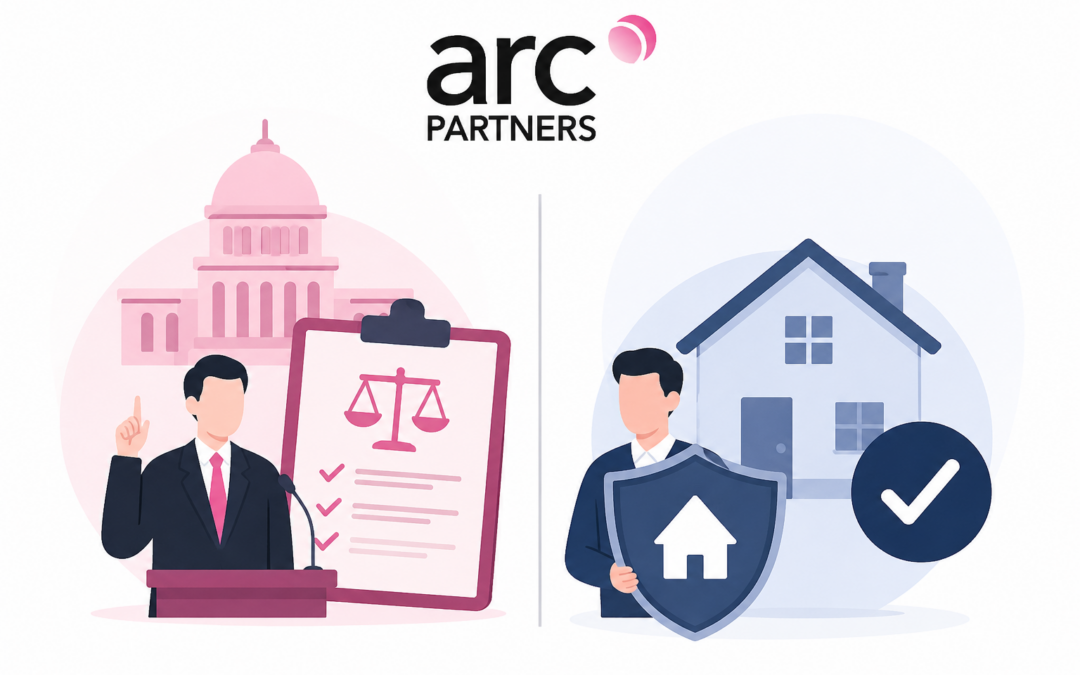
Many landlords are unaware of how rapidly evolving telecommunications laws can impact their property rights, rental income, and long-term development potential. In recent years, telecom operators have been actively pushing for legal changes that strengthen their access rights to land and buildings, often at the expense of landlords.
Without a clear strategy or understanding of these changes, landlords risk losing control over their rooftops, facing reduced rental values, and encountering legal disputes. In this blog, Arc Partners provides a practical guide explaining how operators are trying to change the law, what it means for property owners, and how landlords can effectively combat these challenges.
How Operators Are Trying to Change the Law
Telecommunications operators are continuously working to expand their rights under existing legislation, particularly in relation to digital infrastructure rollout such as 5G and fibre networks. Their objective is to make it easier, faster, and cheaper to install and maintain equipment on private property.
Key Legal Changes and Operator Strategies Include:
Expanded Access Rights:
Operators are seeking broader rights to access private land and buildings, even when landlords do not actively agree, particularly in multi-let residential properties.
Reduced Rental Payments:
Legislation has shifted valuation methods from market value to “no-scheme” valuation, significantly reducing the rent landlords can charge for telecom equipment.
Automatic Renewal Rights:
Operators are pushing for easier renewal of existing agreements, limiting landlords’ ability to renegotiate terms or regain possession of their property.
Simplified Dispute Resolution:
Legal processes are being streamlined in favor of operators, allowing them to secure rights more quickly through tribunals.
Support for Nationwide Connectivity Goals:
Governments are backing these changes to accelerate broadband and 5G rollout, often prioritizing public infrastructure over private property rights.
What These Changes Mean for Landlords
These legal shifts can have significant implications for property owners:
- Loss of control over rooftops and key building areas
- Reduced income from telecom leases
- Limited ability to redevelop or repurpose property
- Increased risk of legal disputes
- Long-term agreements with unfavorable terms
Without proactive planning, landlords may find themselves locked into agreements that do not reflect the true value of their assets.
How Landlords Can Combat These Changes
While the legal landscape may appear to favor operators, landlords still have several strategies to protect their interests.
- Develop a Telecommunications Strategy
A structured telecom plan helps landlords manage agreements, control access, and align telecom infrastructure with long-term property goals.
- Seek Specialist Advice
Working with telecom experts like Arc Partners ensures landlords understand their rights and negotiate from a position of strength.
- Negotiate Strong Lease Terms
Key areas to focus on include:
- Rent and valuation structure
- Access rights and restrictions
- Equipment upgrade clauses
- Termination and redevelopment rights
- Maintain Control Over Access
Landlords should carefully manage who can access their property and under what conditions, avoiding informal or poorly documented agreements.
- Plan for Future Development
Ensure telecom agreements include clauses that allow redevelopment or relocation of equipment when needed.
- Monitor Legislative Changes
Staying informed about updates in telecom law allows landlords to adapt quickly and avoid unexpected risks.
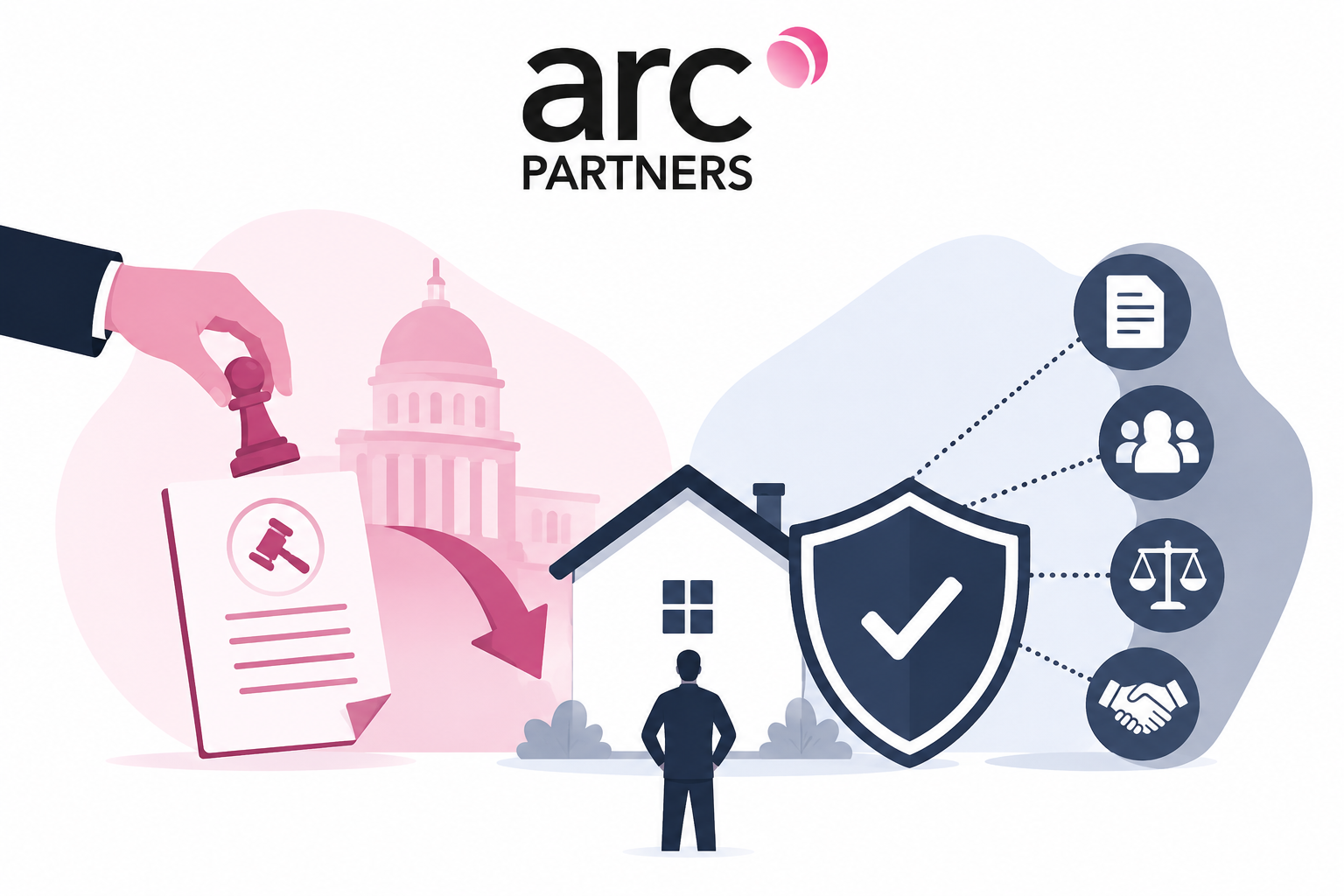
Why Landlords Need a Proactive Approach
Taking a reactive approach can leave landlords vulnerable to unfavorable agreements and reduced property value. A proactive strategy ensures:
- Better control over property assets
- Maximized rental income
- Reduced legal and operational risks
- Flexibility for future development
- Stronger negotiating position with operators
Arc Partners works closely with landlords to develop tailored strategies that align telecom infrastructure with broader property objectives.
When Should Landlords Take Action?
Landlords should review or implement a telecom strategy during key moments:
- When approached by telecom operators
- Before signing or renewing agreements
- During property acquisition or development
- When planning refurbishment or redevelopment
- When noticing reduced rental income from telecom leases
Early action can prevent long-term complications and financial losses.
Conclusion
The telecommunications landscape is evolving rapidly, with operators actively influencing legal frameworks to expand their access and reduce costs. While these changes present challenges, landlords are not without options.
By understanding how operators are trying to change the law and taking proactive steps to protect their interests, property owners can maintain control, safeguard income, and future-proof their assets.
If you need expert guidance, Arc Partners can help you navigate telecom legislation, negotiate agreements, and develop a robust strategy tailored to your property portfolio.
Frequently Asked Questions
Question 1: Why are telecom operators pushing for legal changes?
Answer: Operators aim to accelerate the rollout of digital infrastructure such as 5G and fibre networks. Legal changes help them gain faster and cheaper access to land, reducing delays and costs associated with traditional lease negotiations.
Question 2: How do these legal changes affect rental income for landlords?
Answer: Changes in valuation methods often reduce rental income by shifting from market-based pricing to regulated frameworks. This can significantly lower the financial return landlords receive from telecom agreements.
Question 3: Can landlords refuse access to telecom operators?
Answer: In some cases, operators can apply for legal rights through tribunals if access is denied. However, landlords can still negotiate terms and conditions to protect their interests with the right strategy and advice.
Question 4: What is the biggest risk for landlords under new telecom laws?
Answer: The biggest risk is losing control over property rights, including limited ability to redevelop or renegotiate agreements, along with reduced rental income and increased legal complexity.
Question 5: How can Arc Partners help landlords manage these challenges?
Answer: Arc Partners provides expert advice, negotiation support, and strategic planning to help landlords protect their assets, maximize income, and navigate the complexities of telecommunications law effectively.