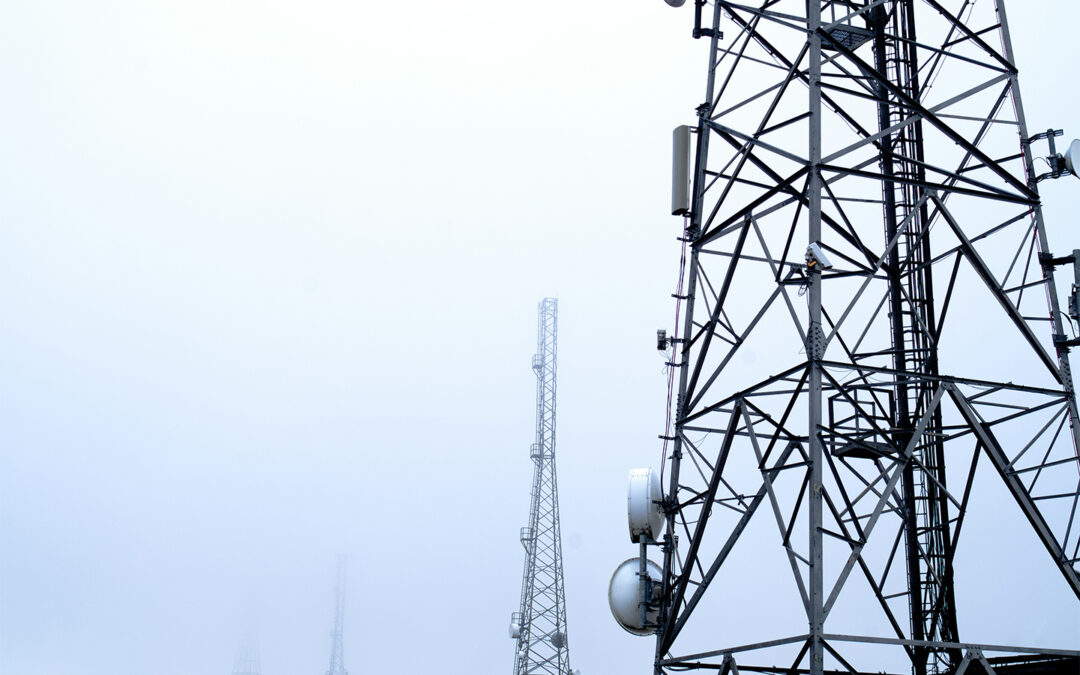
Do mobile phone masts emit sounds that could present problems for landlords when leasing a property? A landlord’s first thought may be, “If I allow one of these things to be built here, am I going to have a great deal of growth-related noise from it?” Since most mast rental agreements guarantee a regular source of revenue, landlords must answer all of their questions about mobile phone masts (including noise) first before signing any contract.
This guide will give an understanding of the level of noise produced by mobile phone masts based on expert opinions from Arc Partners and others who are knowledgeable on this subject. Once you’ve reviewed this information, you should have enough knowledge to make an informed decision regarding whether or not to allow a mobile phone mast on your property.
Will a Mobile Phone Mast Make Noise?
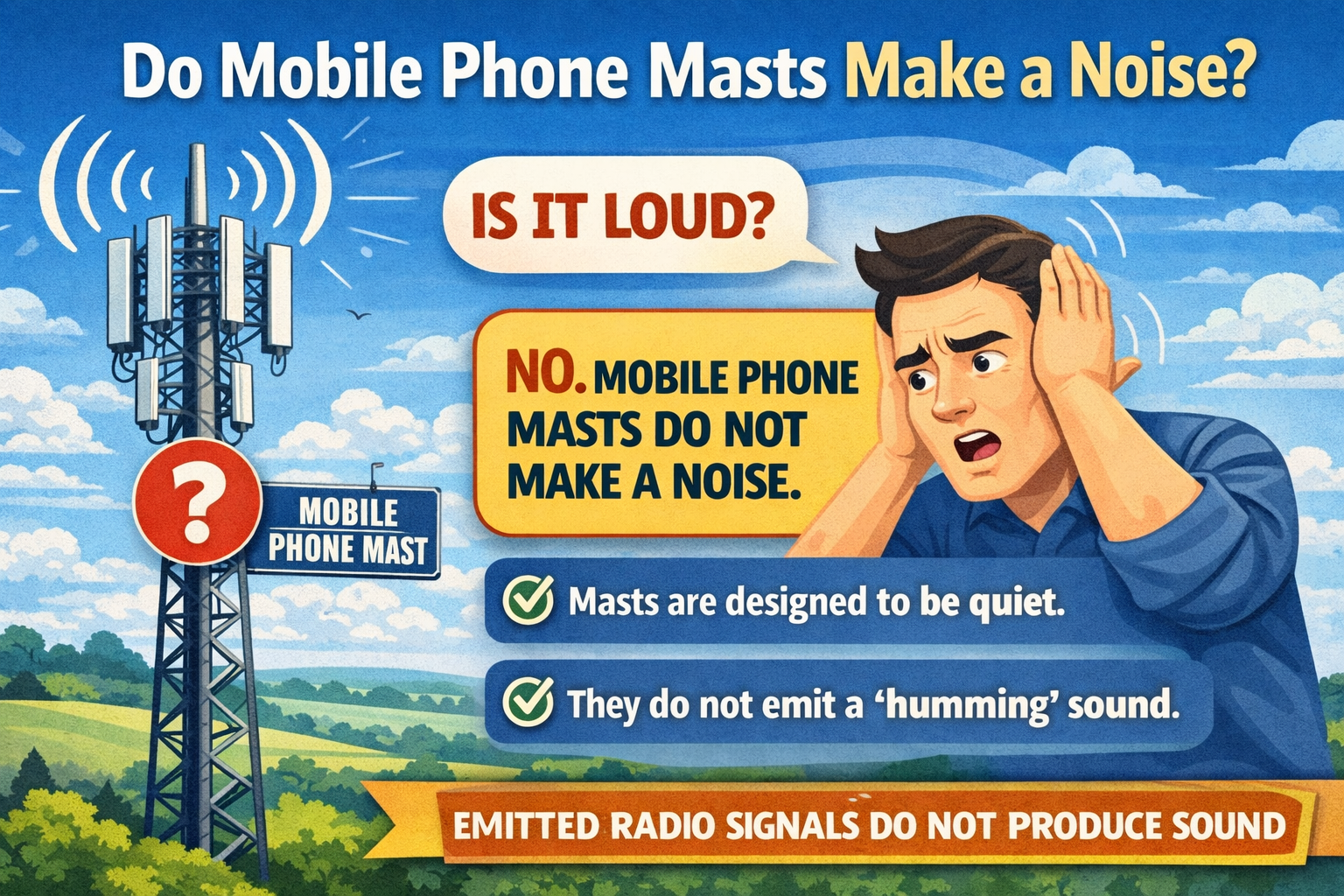
Yes, i.e., they do generate sound; however, this sound is typically very low enough not to be a source of major concern.
There are two basic components to a mast: the antenna (which typically does not generate sound) and all of the associated equipment (which typically operates by generating sound). The sound is the by-product of either the number of devices generating noise and/or the type of devices generating noise.
What is the Source of Noise at Mobile Phone Masts?
Noise is typically generated by:
- Cooling fans are used for cooling equipment within the equipment cabinets
- Air Conditioning Units used for cooling the equipment cabinets (usually found when there is a lot of equipment in the same cabinet).
- Backup Generators for generating electricity (generally found where there is an extended loss of power).
These noises are often similar to typical ambient background sounds, such as the noise produced from running a refrigerator or an air conditioning unit which is located a distance from the area.
How Loud is Noise from Mobile Phone Cell Towers?
In most instances, cell tower noise is difficult to hear, particularly in congested metropolitan areas, because the noise is absorbed in the surrounding area. In more remote areas, noisy neighbourhoods that are more rural or quiet offer more opportunities to be heard.
Several variables determine the level of sound that you will hear.
- Distance from the equipment
- Type and age of the technology
- Type of neighbourhood in which the equipment is located (urban versus rural)
Modern telecommunication equipment can operate at lower sound levels compared to older equipment; therefore, newer installations are less disruptive than older installations.
When Does Cell Tower Noise Become Unacceptable?
Although the sound levels of noise generated usually are not high enough to be bothersome, there are situations that allow for sound levels to be considered unacceptable.
- Proximity to residential dwellings
If a cabinet/tower is located close to the window or bedroom of a residential dwelling, a cabinet/tower may emit enough sound for an individual to identify it, especially at night when there is no other ambient noise to mask the sound.
- Quiet Locations
In rural/low-noise locations, ambient noise levels are tantamount to zero, and even the lowest sound levels can be easily identified.
- Night-Time Noise
When background noise levels decrease at night, the sound of any noise emitted from the cabinet/tower will become louder, therefore, may disrupt an individual’s sleep.
- Poor Installation Decisions
Failure to plan for adequate placement and/or for the installation of sound mitigation measures can lead to increased noise levels.
Ways To Minimise Noise Risk
Landlords can take steps to proactively reduce the risk of noise through:
Strategic Placement: Locate equipment away from any bedrooms and/or windows.
Using Modern Equipment: Modern systems are quieter and more efficient.
Installing Acoustic Barriers: Enclosing or screening equipment will assist in minimising sound travelling through walls and roof systems.
Maintaining Equipment: Regularly maintained equipment will ensure maximum efficiency & quiet operation.
All of the above will minimise the chances of receiving any complaints from neighbouring tenants.
Financial and Non-Financial Considerations
Installing a mobile phone mast may provide you with a reasonable financial return on investment, but it is also necessary to consider both the positives and negatives of the deal when weighing all factors when making your investment decision.
There are many benefits to consider:
- Long-Term Reliable Income
- Minimal Daily Management
- Increased Usability Of Roof Space
Potential Downsides To Consider:
- Tenant Dissatisfaction Due to Noise or Perception of the Equipment
- Possible Diminished Demand for Property
- Long-Term Commitments Under The Lease
Finding a good balance between benefits and disadvantages should be completed when making an investment decision.
Why You Need Professional Advice?
Agreeing with regard to leasing space for the use of a telecommunications mast can be a complex process, especially with regard to technical issues such as noise.
By working with professionals such as Arc Partners, landlords can:
- Negotiate Better Lease Terms
- Obtain A Better Understanding of Noise Risks
- Increase Rental Revenue
- Eliminate Expensive Errors
Professional Advice Will Help You Keep In Compliance And Get The Best Outcome Or Results From Your Contract.
The Myths About mobile phone masts and the noise they create
There are many myths about telecom masts and the noise they create, like:
“Telecom masts are very loud”. Most telecom masts only produce a very low hum of sound.
“There is constant noise, and there is always some disruption from it”. Most masts produce a very low level of noise that is barely noticeable in most environments.
“The noise level and volume of the noise from each mobile phone mast is the same”. Different types of equipment used on the same type of mobile phone mast in different locations create different levels of noise.
Once landlords understand the facts surrounding mobile phone masts, they can make decisions about them with confidence and the knowledge that they have the information to be informed decision makers.
Summary
The answer to the question “Do mobile phone masts emanate a noise?” is yes, but in most cases, the amount of noise is minimal or slight and is manageable. The real issue is the absence of sound, as opposed to the presence of sound. The quality of installation and proper planning will help a landlord determine whether or not mobile phone masts will be an asset. As long as sufficient decisions are made during the due diligence process when considering leasing land to communications companies, and regarding the location of the proposed mobile phone mast, the landlord will be able to make informed decisions and address any concerns they may have.
Frequently Asked Questions for Do Mobile Phone Masts Make a Noise:
Can a tenant complain about noise from a mobile phone mast?
Tenants can express their concerns about noise if it interferes with their quality of life or their ability to sleep. Even though most mobile phone masts generate little noise, if a mobile phone mast is poorly located, it can result in dissatisfaction and disputes, which will require landlords to address. As a general rule, landlords should take care of tenants’ complaints promptly.
How far from residential properties should a mobile phone mast be located?
There are no regulations regarding how far a mobile phone mast must be located from a residential property; however, the greater the distance there is, the less chance there is that noise from the mast will impact tenants’ homes or lives. In order to reduce the impact of noise on tenants, cabinets that house the equipment should ideally be located as far away as possible from the windows and bedrooms.
Are landlords liable for noise from a mobile phone mast?
Whether or not a mobile phone mast is a landlord’s responsibility depends on the lease agreement; however, a landlord has to be able to respond to tenants’ complaints and should include specific provisions in the lease agreement for managing noise and resolving disputes.
Are newer mobile phones less noisy than older mobile phones?
In general, newer mobile phone masts are quieter and more energy-efficient and produce less noise than older mobile phone masts. Therefore, newer mobile phone masts are better suited for residential and low noise environments than older mobile phone masts.
Can the noise from a mobile phone mast have a negative impact on property values?
In most instances, the noise from a mobile phone mast will have little to no impact on property values; however, other considerations, such as the tenant’s view of the mast and whether or not the tenant has experienced disturbance from the mast, will likely impact the desirability of the property and/or the amount of rental income the owner will receive from the tenant.