
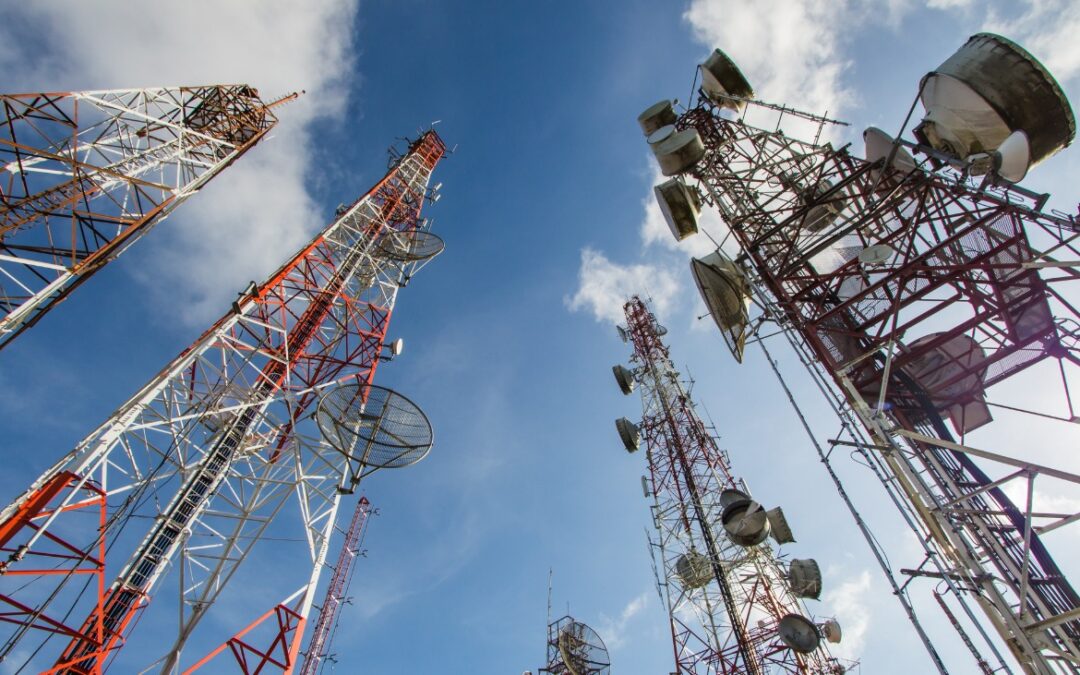
Do you think about how the mobile phone masts and internet cables are installed on land or private properties? Or who governs this? The telecom wires were placed, and which rights did the telecom companies use for their land network? This matter is handled by the UK government under the Electronic Communications Code 2017. This code sets out the rules for telecom operators to install, maintain, and upgrade equipment such as mobile masts, cables and other communication infrastructure, utility services for private and public spaces.
This Electronic Communications Code is specially introduced for the UK digital connectivity, which makes it easy to expand business and reliable communication networks.
But what does this code actually mean, why is it introduced, and how does it work with landowners, telecom operators, and the public? If you didn’t know about the electronic communication code, don’t worry, in this article we will explain about the clear ways, and help you to understand what it is, how it works, and What is the Electronic Communications Code 2017?
Let’s understand what the electronic communication code is.
The electronic communication code 2017 regulates the legal right and rules for telecommunications infrastructure, such as mobile phones, masts, cables and broadband equipment that can be installed and maintained for public and private property. This code replaced the older telecom code, which was in place since 2003, and it is part of the Digital Economy Act 2017. Implementing this code rule system makes it easier and more affordable to build the digital communication networks, balancing the right owners.
The Electronic Communication Code Sets The Rules For Telecom Operators:
- Install network communication equipment for land and buildings.
- Maintenance and upgrading of communication networks
- Landlords and telecommunication operators follow the rules
- Payment and compensation for land usage
Why was the electronic communication code updated in 2017?
The traditional telecom rules and regulations are creating challenges for expanding the model digital infrastructure because of their outdated regulations. The evolution of electronic communications code update 2017, it helps modernise the rules, and the government aims to accelerate the better rollout of internet and mobile coverage, especially in low connectivity and underserved areas. This 2017 code update was introduced:
- Better digital connectivity across the UK
- Supports faster mobile networks
- Reduce the higher costs of telecom deployment
- Simplified the agreement process between property owners and mobile network providers.
What Are The Key Objectives Of Electronic Communication Code 2017?
The electronic update code mainly focuses on various factors and important objectives in the telecom industry.
1. Expanding Digital Infrastructure
The main goal of introducing this code is to support the growth of modern telecom infrastructure access to the UK, by having a strong and reliable network for managing daily day-to-day activities such as working from home, online study, classes, streaming videos, and digital communication. This code is especially designed to encourage the telecom operators to install and maintain a wider range of communication equipment. It includes:
- To support large area coverage, the mobile network covers urban and rural areas.
- Cables come with fibre optic material that delivers faster and more secure data transmission.
- It helps distribute the internet connections in larger areas for homes and businesses.
- Used small cell equipment for improving the mobile connectivity and supporting faster 4G and 5G networks.
2. Simplifying Access to Land
The other important objective for implementing the Electronic Communication Code 2017 is to make the telecom operators access land while installing or maintaining the communication equipment. For building reliable mobile networks, the operators require infrastructure, mobile masts, cables, antennas and broadband equipment on private rooftops or buildings.
Under this code, the telecom operators take permission from the landowners to install telecom equipment such as mobiles, masts, cables, antennas, and on private land or buildings. All of these arrangements are mentioned in the agreement signed between the landlord and the telecom operator.
3. Fair Compensation for Landowners
This electronic communication code ensures the landlords get fair compensation when the equipment is installed properly. It means the mast, cable, and tower are installed on a private building so the landlord gets monthly income, and landowners are compensated based on the underlying value of their land. The cost of deploying the telecom infrastructure is more reasonable and ensures the landowner receives fair compensation for the use of their property.
4. Long-Term Network Stability
This electronic communication code 2017 helps you to ensure the telecom network remains stable for long-term usage. As per this Electronic Communications Code, the operators have the right to maintain, repair, update, and sometimes share the equipment with other providers. It means there are lots of mobile calls and text messages used efficiently with technology changes without unnecessary delays. With this code 2017, the mobile network operators stay up to date, and continue to provide faster and more reliable services for your homes.

How does the Electronic Communication Code Work?
Electronic communication works with set rules for telecom providers; they install, maintain, and manage all equipment in buildings. The Electronic Communications Code 2017 works by balancing the requirements of network operators and the rights owners.
Here, the Electronic Communications Code Works:
- Agreements with Landowners
- Court Access Rights
- Compensation Rules
- Long-Term Maintenance
What are the rights given to the network operators?
| Right | What it Means |
| Access to Land | Can place equipment on private land with permission. |
| Court Access | Can apply for access if the landowner refuses. |
| Install & Upgrade | Can install, maintain, and upgrade masts, cables, and antennas. |
| Share Infrastructure | Can share equipment with other providers. |
| Compensation | Must pay fair compensation to landowners. |
People Also Ask What The Electronic Communications Code 2017
Q.1 How does the electronic communication code help landlords?
A: This Electronic Communications Code helps landlords receive fair rental rates for their land, and once the telecom tower is implemented, it helps to protect their rights during access and maintenance.
Q.2 Does the Telecom Equipment Code 2017 apply to public land?
A: Yes, it allows the installation on public land, and it allows telecom operators to install, maintain, and upgrade the equipment with full legal rights.
Q.3 Do the telecommunication companies share land with other companies?
A: Yes, the Electronic Communication Code 2017 allows telecom companies to share infrastructure and land with other operators to reduce deployment costs.
Q.4 How do I access implementation on land?
A: For accessing the land for installing telecom equipment,you need to get a permit from the land owner, and when you choose a professional service provider like Arc Partners, you get ultimate benefits.