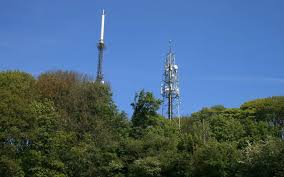
If you are a landowner in the UK, there’s a possibility you have either struggled with variable mobile signal yourself or heard someone say, “They should put up a mast around here.” What a lot of landowners don’t know is that the solution to problem could be just right infront of them, sitting used unused in the corner of their field, paddock, or estate. Over the past few years, mobile networks have been striving hard to enhance coverage and roll out 5G, specifically in rural and semi-rural areas.
This has raised a quiet but growing opportunity for landowners to earn trustworthy, long-term income by hosting a mobile phone mast. Yet for a lot of people, this idea brings more questions than answers such as –
- How to get a mast on your land?
- Who to contact?
- What is the actual earning?
- What benefit does it bring?
According to GOV.UK Assets, the UK has a network of approximately 40,000 mobile base stations used for mobile coverage including 4G and 5G.
Roughly 60% of those sites are owned by individual site landlords under site-specific lease or licence agreements with mobile operators.
If you have ever thought that a mobile phone mast could work for your land but took steps backward due to planning rules, legal technicalities, or false stories about telecom companies, then this guide will help you out.
What Is a Mobile Phone Mast and Why Are They Needed?
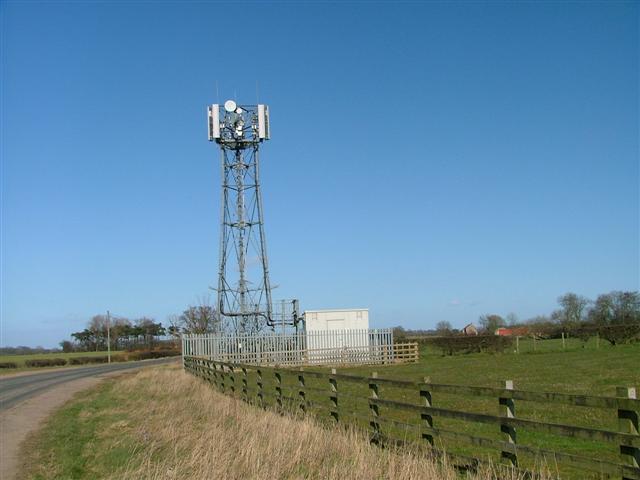
A mobile phone mast (also known as a base station) is a structure that supports antennas and radio equipment, enabling mobile phones to connect to the network. Masts may take several forms, including:
- Traditional lattice or monopole masts
- Rooftop installations
- Poles disguised as trees or street furniture
- Equipment cabinets located at ground level
The rollout of 5G technology has increased demand for sites, particularly in rural, semi-rural, and edge-of-town locations where coverage gaps exist.
Is Your Land Suitable for a Mobile Phone Mast?
Not all land is suitable for telecoms infrastructure. Operators typically look for specific characteristics.
Key Factors Operators Consider
- Location and elevation – Higher ground improves signal coverage
- Coverage gaps – Areas with poor mobile reception
- Accessibility – Year-round access for maintenance vehicles
- Power availability – Proximity to an electricity supply
- Land size – Often only 25–100 square metres is required
- Minimal obstructions – Clear line of sight for signals
Farmland, hilltops, estate land, and land near roads or villages are often attractive. Even small plots can be suitable if they solve a coverage problem.
How to Attract Mobile Network Operators?

There are two main ways a mast ends up on private land:
Operator Approaches You
This happens if:
- Your land is in a strategic location
- There is a known coverage issue
- Network planners have identified your site as ideal
If this occurs, do not rush into agreeing terms. Operators often start negotiations at the lowest commercially acceptable level.
You Proactively Promote Your Land
If no one has approached you, you can:
- Contact mobile network operators directly
- Use specialist telecom agents
- Register your land with infrastructure providers
A professional land agent or telecoms consultant can assess viability and approach operators on your behalf.
The Legal Framework: The Electronic Communications Code
One of the most important aspects for UK landowners is understanding the Electronic Communications Code (ECC).
What Is the ECC?
The ECC is a piece of legislation that grants telecom operators certain rights to install and maintain equipment on land. It was significantly reformed in 2017, with further changes in 2023.
Key Implications for Landowners
- Operators have strong legal rights to access land
- Rents are based on “no network” valuation, not commercial value
- Removing a mast can be difficult once installed
- Agreements are often long-term (10–20 years or more)
Because of this, professional advice is strongly recommended before signing anything.
Planning Permission and Permitted Development
Do You Need Planning Permission?
In many cases, mobile phone masts fall under permitted development rights, meaning full planning permission may not be required. However:
- Larger masts may require approval
- Sites in National Parks, AONBs, or conservation areas have stricter rules
- Prior approval from the local authority is often needed
Operators usually handle planning applications, but landowners should remain informed and involved.
How Much Can You Earn from a Mobile Phone Mast?

Typical Income Ranges (UK)
Income varies significantly depending on location, demand, and agreement terms.
- Rural ground-based mast: £750–£2,500 per year
- Strategic or high-demand sites: £3,000–£6,000+ per year
- Rooftop or urban sites: Can be higher in some cases
Under the revised ECC, rents are generally lower than historic levels, but agreements still offer predictable, index-linked income.
Other Financial Benefits
- Long-term security of income
- Rent reviews (often CPI-linked)
- Compensation for access or disruption
Lease vs Wayleave Agreements
| Lease Agreements | Wayleave Agreements |
| Long-term (often 10–20 years) | Often shorter-term |
| Registered against the land title | More flexible |
| More secure for operators | Common for access rights or cables |
Understanding the type of agreement is crucial, especially if you plan to sell the land in future.
Negotiating the Best Terms
Even under the ECC, landowners still have room to negotiate.
Key Points to Negotiate
- Rent and review mechanisms
- Access rights and notice periods
- Restrictions on equipment upgrades
- Sharing with other operators
- End-of-term removal obligations
- Compensation for damage
A specialist telecom surveyor can often improve terms well beyond what is initially offered.
Pros and Cons of Hosting a Mobile Phone Mast
| Advantages | Disadvantages |
| Steady, long-term income | Visual impact |
| Minimal land take | Potential neighbour objections |
| Low maintenance responsibility | Legal complexity |
| Supports local connectivity | Difficulties removing equipment later |
Understanding both sides helps ensure informed decision-making.
Impact on Property Value and Saleability
A mast does not automatically reduce land value. In some cases, it can increase value due to the income stream.
However:
- Some buyers may be cautious
- Mortgage lenders may request details
- Future development plans could be restricted
- Proper drafting of lease terms is essential to protect flexibility.
What Happens If You Want the Mast Removed?
Removing a mast can be challenging due to operator rights under the ECC. However, removal may be possible if:
- The agreement has expired
- Redevelopment is planned
- Proper statutory procedures are followed
- This process can take time and legal advice is essential.
How Does Arc Partners Help Landowners in Getting a Mobile Phone Mast?
Arc Partners helps landowners secure and manage mobile phone mast installations by acting as specialist advisors in telecoms, property and regulatory matters. As RICS-accredited surveyors, they guide landowners through the complexities of the UK Electronic Communications Code, explaining rights, obligations and the impact this legislation has on rents, access and long-term control of land.
Arc Partners negotiate directly with mobile network operators to achieve fair commercial terms, protect property interests and maximise income where possible, rather than leaving landowners exposed to operator-led agreements. Beyond initial negotiations, they provide ongoing estate and site management, handling lease renewals, compliance checks and due diligence to ensure agreements remain appropriate over time. They also manage access and installation works, coordinating contractors, overseeing health and safety requirements, and minimising disruption to the wider property.
Conclusion
Getting a mobile phone mast on your land can be a valuable opportunity for UK landowners, offering steady income and minimal disruption when managed correctly. However, telecom agreements are legally complex and shaped heavily by the Electronic Communications Code.
By understanding the process, seeking professional advice from Arc Partners, and negotiating carefully, landowners can protect their interests while benefiting from the growing demand for mobile connectivity.
Frequently Asked Questions (FAQs)
How long does it take to get a mobile phone mast installed?
From initial enquiry to installation, the process can take 6–18 months, depending on planning, negotiations, and legal agreements.
Can I refuse a mobile phone mast on my land?
Yes, but operators have legal mechanisms to apply to tribunals for access rights in some circumstances. Early negotiation is preferable.
Will a mobile phone mast affect my health?
Public Health England and the NHS state that mobile phone masts operating within guidelines pose no proven health risk.
Who pays for legal and professional fees?
In most cases, the operator pays reasonable professional fees, but this should be confirmed in writing.
Can more than one operator use the same mast?
Yes. Mast sharing is common and encouraged. You should ensure the agreement includes sharing provisions and compensation.
Will I still be able to farm or use the land?
Usually yes. Masts occupy a small footprint and agreements often allow continued agricultural use around the site.
What happens if I sell the land?
The mast agreement will normally transfer to the new owner. Buyers should be fully informed during the sale process.