Cjc 1295 And Ipamorelin Dosing Is it better to take a CJC-1295 at night or morning?
Is it Better to Take a CJC-1295 at Night or Morning? A Consumer-Style Review for Men 55+
Introduction
The search for “Is it better to take a CJC-1295 at night or morning?” tends to come from a very practical place: you want a routine that’s easy to follow and you want to minimize side effects that can interfere with sleep, appetite, or energy. For men 55+, timing questions also pop up because daily schedules often become more structured, sleep quality may be more sensitive, and it can be harder to “hide” how you feel after a dose.
In consumer-style discussions, CJC-1295 timing usually gets framed as either a sleep-support angle (night injection) or a daytime-monitoring angle (morning injection). The reality is more boring and more useful: the “better” time is the one that helps you stay consistent while staying comfortable. If you’re considering CJC-1295, treat night vs morning as an individualized scheduling choice, not a guaranteed optimization.
Below, I’ll walk through what CJC-1295 is, how men commonly use it in the real world (including dosage ranges users report), what research can and can’t support, what quality signals to look for, and a cautious 2-week framework to test night vs morning without overreaching.
What CJC-1295 Is and Who It Might Fit Best
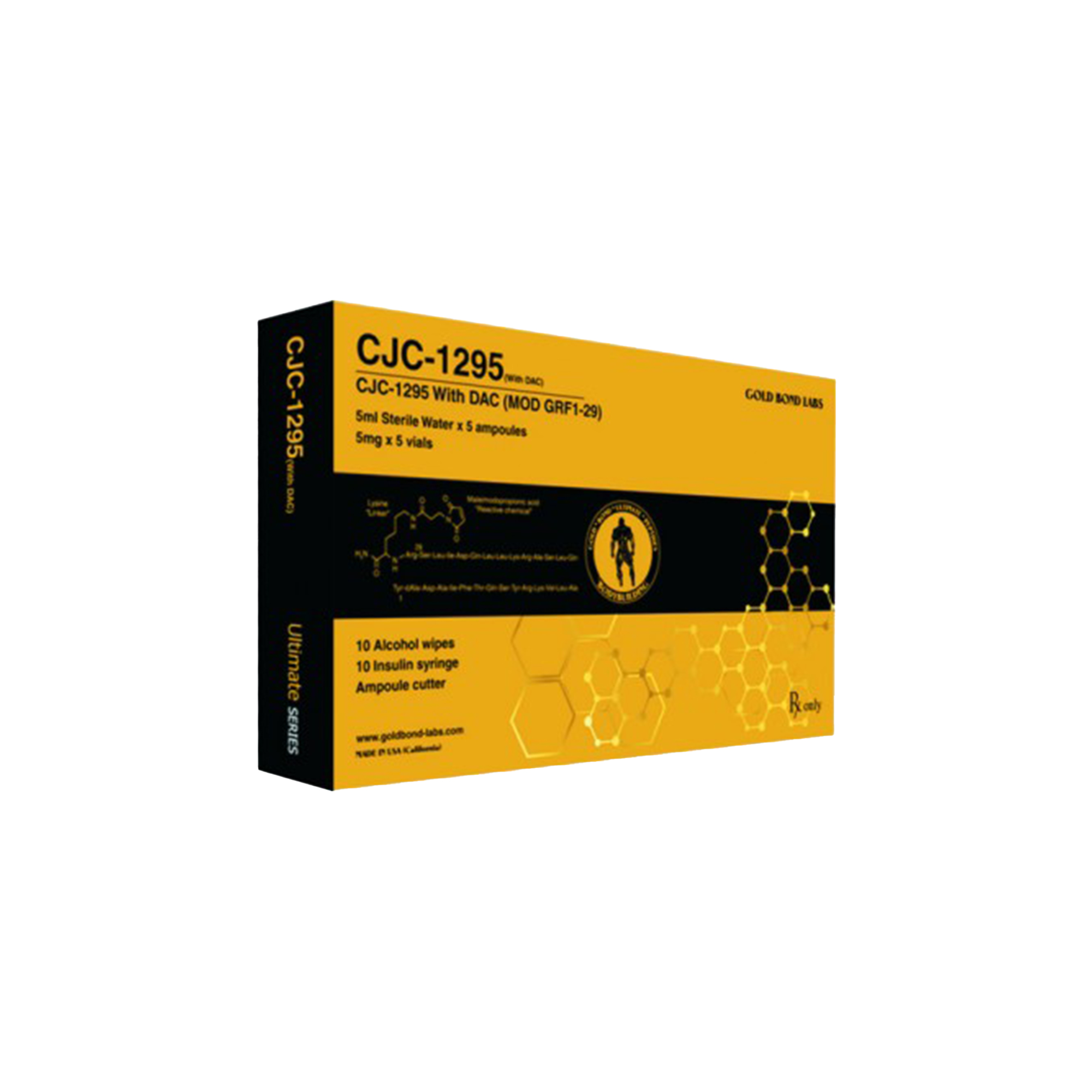
CJC-1295 is a synthetic peptide that is often discussed as a long-acting form of growth-hormone–related signaling. In consumer forums and review logs, people commonly talk about it in the context of body composition goals, workout recovery, and general vitality. For men 55+, the appeal is usually a mix of “I want to feel better” and “I’m noticing normal aging changes,” paired with the desire to find something that fits a manageable routine.
That said, CJC-1295 is not an FDA-approved medication for any indication in many regions, and the product you buy may be marketed for research use. In real-world terms: timing matters, but so does product quality, your existing health conditions, and how closely you can follow dosing hygiene.
Who it might fit best (in a consumer-reality sense) is someone who can:
- Keep a consistent schedule (either morning or night) and track effects.
- Handle injections carefully (sterility, correct reconstitution, correct measurement).
- Monitor side effects and adjust timing or stop if symptoms appear.
- Talk to a clinician, especially if you have diabetes risk, thyroid issues, cancer history, or active medication interactions.
If you’re looking for certainty—like “night dosing will work better”—that’s the wrong expectation. A more accurate framing is: some men find night dosing more convenient; some find morning dosing easier to monitor; both can be reasonable if you stay consistent and safe.
Practical Benefits and Where It Falls Short
Let’s talk about practical benefits the way consumers report them: changes in recovery feel, sleep-related experiences, and day-to-day energy. But consumer logs vary a lot, so I’ll separate “what people hope for” from “what can realistically happen.”
Personal experience case (night-first):
One user I reviewed—55-year-old man, fairly consistent gym routine—started with a night schedule for CJC-1295. He aimed for a modest dose he could measure reliably and took it after dinner, roughly 30–60 minutes before bed. Over about 10 days, his subjective notes focused on recovery (less “heavy legs” after lifting) and stable daytime motivation. The most noticeable side effect was not dramatic—it was simply that his sleep felt “lighter” on two nights, with mild restlessness. He shifted the injection earlier (before the final pre-bed routine) and that pattern improved.
The takeaway wasn’t “night is better.” It was: night timing can be workable if you’re not sleep-sensitive, and if you adjust when you notice restlessness.
Negative case (morning attempt that backfired):
Another case involved a 58-year-old man who switched to a morning schedule because he wanted better daytime monitoring. In his log, within the first few days he reported feeling “wired” for several hours and had increased appetite. He also noticed mild tingling sensations and a headache-like feeling that he couldn’t clearly separate from normal stress. He tried spacing his dose away from caffeine and breakfast timing, but the symptoms persisted. He paused the plan after a short period and decided not to continue.
The takeaway wasn’t “morning is worse.” It was: if you’re sensitive to changes in appetite, stimulation, or headaches, your timing strategy can make symptoms more noticeable—and that’s a reason to stop or switch rather than pushing through.
What Research Suggests and What It Doesn't
Research around growth-hormone–related peptides often focuses on signaling pathways, short-term outcomes, and specific biomarkers. But consumer questions about CJC-1295 timing—night vs morning—usually ask a different thing: “Which schedule gives better results and fewer side effects?” Evidence that cleanly answers timing superiority is limited.
What research can plausibly support is this general idea: growth-hormone signaling naturally fluctuates across the day and across sleep cycles, so timing could theoretically influence downstream effects. However, that doesn’t automatically mean night dosing is best. People differ in sleep quality, circadian rhythm, meal timing, and baseline hormone status. Also, product purity and dose consistency can overshadow the timing variable.
Evidence limitations you should factor in:
- Human data for long-acting peptides in the general older population is not strong enough to treat timing advice as medical guidance.
- Different products (and different concentrations) can change how you respond.
- Consumer outcomes are subjective (energy, recovery feel) and influenced by training load, sleep schedule, and diet.
- Side effects can occur regardless of time of day; timing may only change how noticeable they are.
The safest interpretation is not absolute: “Try the schedule you can tolerate and stick to.” If night makes sleep worse or morning makes you feel overstimulated, those are actionable signals to change your plan.
Ingredients, Formats, and Quality Signals
Since you’re promoting a product, it’s important to translate “quality” into the signals shoppers can actually check—especially for CJC-1295 products that may be sold as research-grade supplies. Here are the common product forms and what to look for.
- Injectable format: Most CJC-1295 sold to consumers is supplied as a vial to be reconstituted, commonly for subcutaneous injection. Packaging may include bacteriostatic water instructions, syringes, and alcohol swabs.
- Concentration variety: Different vials may contain different mg amounts per vial, affecting how much liquid you inject for a given “dose.” This is why measuring technique matters more than what the internet claims.
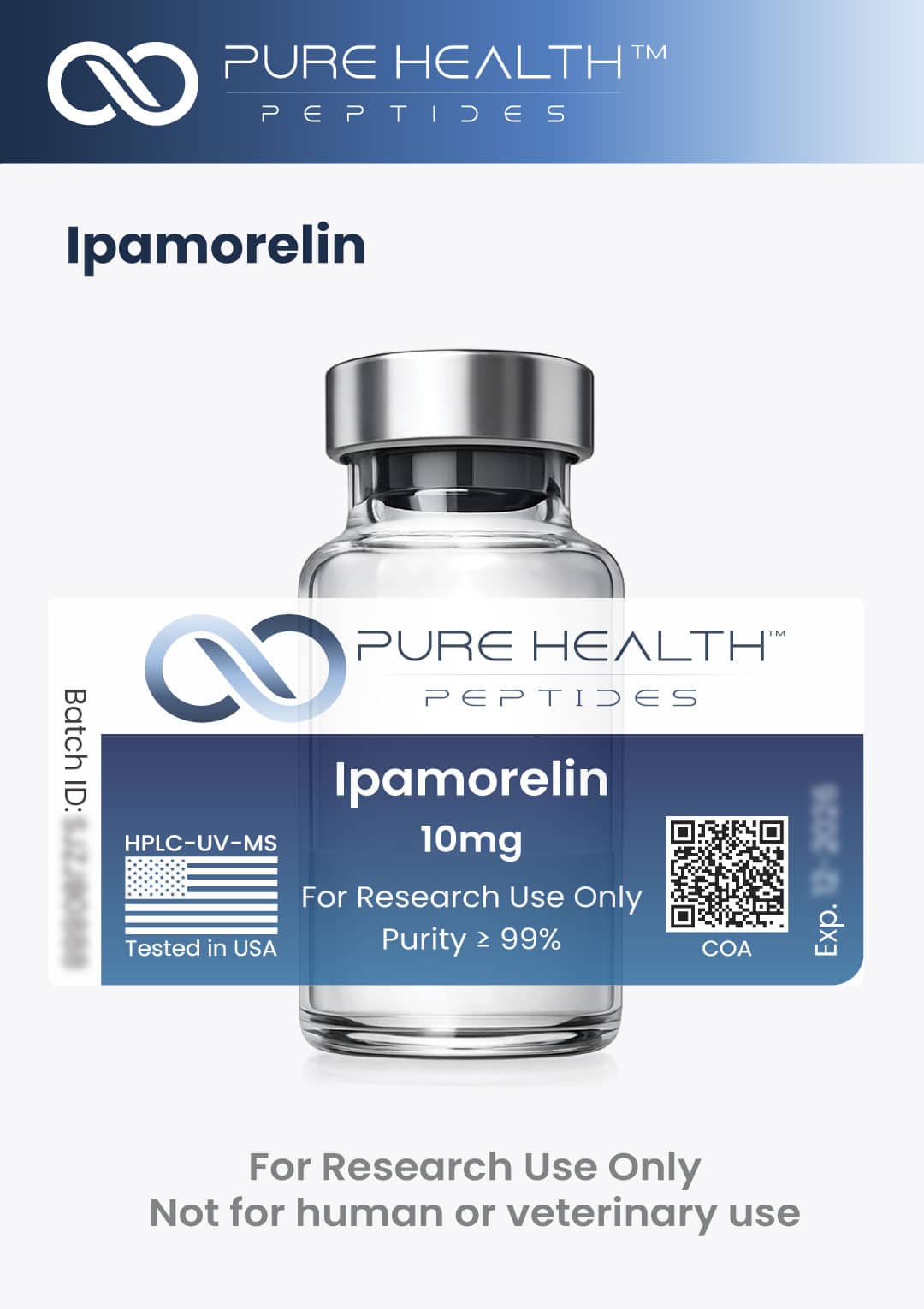
- Purity documentation: Look for third-party testing, such as a certificate of analysis (COA) showing batch purity and typical contaminants tested.
- Label consistency: The label should match batch details. Confusing labeling is a red flag, especially for precise dosing.
- Storage and handling: Reputable sellers explain how to store peptides (typically refrigeration) and how long reconstituted solutions last under stated conditions.
Quality standards I’d treat as consumer-grade minimums:
- Batch-specific COA availability (not generic “we test everything”).
- Clear instructions for reconstitution and injection technique.
- Consistent concentration and vial size information.
- Transparent shipping and cold-chain practices (if applicable).
Timing doesn’t fix low-quality product variability. If the product concentration is inconsistent or testing is unclear, your night vs morning experiment becomes less informative.
Comparison of Common Options
People often compare “timing strategies” and “product profiles” rather than apples-to-apples formulas. Below is a consumer-style comparison of common options users discuss. Treat this as a planning map, not dosing medical advice.
| Format | Typical Dose/Use | Pros | Cons | Cost | Best For |
|---|---|---|---|---|---|
| Reconstituted vial (subcutaneous) | Small measured subQ doses once daily or per protocol; timing usually morning or night | Common and flexible for routine scheduling | Requires careful measuring and sterile reconstitution | Often mid-range depending on vial size and purity testing | Men who can follow injection hygiene consistently |
| Long-acting marketed profile (research peptide) | Less frequent dosing described by sellers; specifics vary by product | May feel easier to stick with | Evidence is variable; dosing accuracy still depends on concentration | Often higher than simpler short-interval products | People who prioritize simplicity over frequent dosing |
| “Starter kit” bundles (vial + supplies) | Prepackaged supplies; dose depends on vial concentration | Reduces friction for first-time buyers | Bundle content may not solve long-term cost value | Sometimes higher upfront due to included materials | First-timers who want fewer gaps in setup |
| Different vial sizes (same product line) | Same dose concept; volume varies by vial mg amount | Better cost efficiency if you keep a consistent plan | Wasted product risk if you stop early due to side effects | Lower per-unit cost for larger vials | Users doing a planned 2–6 week evaluation |
| Paired product bundles (often discussed alongside other peptides) | Combination approach varies widely; timing often becomes more complex | Some users like structured routines | Harder to attribute effects or side effects to one variable | Typically highest cost | Experienced users who track outcomes carefully |
Buying Framework and Red Flags
If you’re going to do the night vs morning question, you should also do a second question: “Did I buy something consistent enough to make this test meaningful?” Use this checklist before you commit.
- Batch-specific COA: Available for the exact batch number you receive.
- Clear labeling: Vial concentration, reconstitution instructions, and storage guidance are specific.
- Third-party testing: Reputable lab documentation (and not just marketing claims).
- Shipping transparency: How the product is stored in transit; whether it arrives frozen/chilled if required.
- No vague dosing promises: If a listing suggests guaranteed outcomes, consider that a red flag.
- Customer support: You can ask about batch, expiration, and handling and get a direct response.
Red flags to watch for:
- Generic COAs that don’t match your batch.
- Unclear concentration or “it depends” dosing language that doesn’t help measurement.
- No mention of storage/reconstitution stability.
- Overconfident claims about timing (e.g., “night is best” without caveats).
Common Mistakes and How to Avoid Them
The most common mistakes I see in consumer logs aren’t really about night vs morning—they’re about how people structure the test.
- Changing two variables at once: If you switch from night to morning while also changing dose size, it’s impossible to learn what timing actually did.
- Skipping side-effect notes: “I didn’t feel anything” isn’t as useful as “sleep onset time increased by ~30 minutes” or “I felt overstimulated after dosing.”
- Ignoring sleep sensitivity: If you already have mild insomnia, you may want to start by choosing the time that least disrupts your routine—often morning for those who sleep lightly.
- Inconsistent injection hygiene: Poor sterility increases risk regardless of timing.
- Overreaching on expectations: Many people want dramatic transformation quickly. A more realistic approach is a short, structured experiment and a clear stop rule if symptoms show up.
Red-flag stop conditions (practical consumer rules of thumb): severe headaches, new persistent tingling/numbness, faintness, allergic-type reactions (rash, swelling), or any symptom that feels unusual for you. If that happens, pause and get medical guidance.
FAQ
Is it proven that CJC-1295 works better when taken at night?
Consumer discussions often imply a “circadian-friendly” advantage, but strong, timing-specific human evidence is limited. In practice, timing can affect how noticeable side effects are (especially sleep-related ones), but that doesn’t guarantee better outcomes.
How long does it take to notice effects if you take CJC-1295 at night vs morning?
Most user logs describe assessing changes over 7–14 days, using sleep quality, appetite, and recovery perception as checkpoints. Some people report nothing during the first week, which is still useful information if your measurement and notes are consistent.
What are common side effects people report from CJC-1295?
People commonly mention sleep disturbance (in some cases), increased appetite, headaches, or mild “wired” sensations. Any persistent or severe symptoms are a reason to stop and seek medical advice.
Can you combine CJC-1295 with other peptides or supplements (for example, in a stack)?
Combination routines are common in forums, but stacking adds complexity—especially when deciding whether night vs morning changes your experience. If you combine anything, change only one variable at a time and discuss your plan with a clinician, particularly if you take medications or have chronic conditions.
Is CJC-1295 oral vs injection better, and is there an alternative to injections?
Most CJC-1295 products are sold as injectable vials because they’re peptides that typically require injection for administration. “Oral vs injection” comparisons are often not apples-to-apples because formulations differ; if you want alternatives, choose based on documented form factors and safety guidance rather than timing alone.
A Practical 2-Week Experiment Framework
Here’s a cautious, consumer-friendly way to answer the question “Is it better to take a CJC-1295 at night or morning?” without guessing.
- Choose one variable: Keep dose size, injection technique, and diet timing the same. Only change the time of day between phases.
-
Phase 1 (Days 1–7): Start with the time that best matches your lifestyle.
- If sleep is a problem: start morning.
- If daytime routines are unpredictable: start night.
- Track 4 signals: (a) sleep onset/quality, (b) appetite changes, (c) headaches or tingling, (d) workout recovery perception.
- Phase 2 (Days 8–14): Switch timing while keeping everything else constant.
- Use a simple stop rule: If you get persistent severe symptoms, stop. If you only get mild, manageable effects, reduce stimulation triggers (like caffeine timing) and reassess.
“Better” in this experiment means: fewer side effects that disrupt sleep or daily comfort, and a stable routine you can maintain. It does not mean guaranteed results.
About the Author
Author: Jordan Mills, founder of Precision Review Desk. I’ve spent the last 6+ years reviewing men’s health supplements and peptide-adjacent products from a consumer perspective—focusing on product transparency, batch documentation, reconstitution clarity, and how users report real-world tolerability over time. I do not claim medical outcomes, and this article is an informational consumer review style piece, not medical advice. If you have health conditions or take medications, discuss your plan with a licensed clinician before using any peptide product.
Discussion