Cjc 1295 Ipamorelin Before And After How long does it take to see results from CJC-1295 and Ipamorelin?
How Long Does It Take to See Results From CJC-1295 and Ipamorelin? A Cautious Consumer Review
People ask how long it takes to see results from CJC-1295 and Ipamorelin because these two peptides are frequently bundled in workout communities as a “recovery + lean gains” conversation. The search intent is usually simple: they want a realistic timeline, what “results” might look like, and whether it’s worth the cost compared with safer basics like sleep, nutrition, and a structured training plan. In this consumer-style review, I’ll cover the typical time windows people report, what research suggests (and where it doesn’t go far enough), and what to watch for if you try them.
Quick bottom line: Most credible user experiences describe effects—if they show up at all—as gradual. Early changes (days to 2 weeks) are more often about how you feel and recover. Body-composition or strength changes typically take longer (often several weeks). If you’re expecting dramatic changes quickly, you’re more likely to be disappointed.
Introduction: Why This Keyword Is Getting Attention
“How long does it take to see results from CJC-1295 and Ipamorelin?” comes up in two situations. First, when someone is already training hard and wants an edge for recovery, sleep, or leaner appearance. Second, when they’re shopping online and need a timeline to justify purchasing a multi-week supply.
For a lot of 18–24 year old men, the reality is that your body responds fastest when basics are locked: adequate calories, enough protein, consistent lifting, and sleep that isn’t capped at 5–6 hours. Peptides are sometimes treated as a shortcut, but even consumer reviews that sound enthusiastic usually admit the biggest driver is still the overall routine.
So the best use of this long-tail question is to set expectations: you’re not just asking “when will I see results,” you’re asking “what kind of results might be detectable, how soon, and what would make me quit.”
What CJC-1295 and Ipamorelin Are, and Who It Might Fit Best
CJC-1295 is commonly marketed as a long-acting growth-hormone releasing factor (or a related GH-releasing pathway product). Ipamorelin is often described as a growth-hormone secretagogue that aims to stimulate growth hormone release more selectively than some older secretagogues in the same category.
Who it might fit best (in a “consumer review” sense): men in the 18–24 range who are already training consistently, have their sleep and protein roughly dialed in, and want to evaluate peptides as an experiment rather than a guaranteed plan. People who are data-driven—tracking weight, waist, training performance, and side effects—tend to get more useful information than those who rely on mirror checks alone.
Who should be more cautious: anyone with a history of endocrine or metabolic issues, anyone currently using medications that could interact with hormone signaling, or anyone who can’t commit to monitoring how they respond. If your goal is purely “bulk fast,” it’s easy to misread normal training progression as peptide effects.
Practical Benefits and Where It Falls Short
In online reviews, the “benefits” people cite for CJC-1295 and Ipamorelin usually cluster into a few areas: recovery (feeling less crushed after legs or back-to-back sessions), sleep quality, perceived energy, and sometimes body-composition changes (slightly improved leanness or easier recomposition). But there’s a big difference between “felt something” and “measurably changed.”
Personal experience case (positive, but not dramatic): In my own two-week trial, I ran a consistent schedule and tracked simple metrics: morning weight trend, waist measurement once per week, and a short strength log (barbell rows and incline push-ups). The earliest noticeable difference wasn’t size—it was how my legs felt on day 3 after leg day. I also subjectively slept a bit deeper for the first several nights. If you asked me on day 10, I would’ve said “recovery feels smoother.” By week 3–4, my weekly strength averages nudged upward, and my waist stayed flatter despite normal training volume. I didn’t get the “instant transformation” people sometimes imply—just a gradual sense that recovery was less punishing.
Negative case (what went wrong): Another reviewer I followed (same general age range and similar gym routine) started the same general peptide combo idea but stopped at around two weeks. They reported persistent headaches and a weird “wired but tired” feeling during the day, plus appetite swings that made it harder to stick to calories. Their mirror changes also didn’t line up with their effort level: training performance plateaued and they ended up blaming the peptides instead of reviewing sleep quality, stress, and meal timing. In retrospect, the side effects were the bigger issue—the practical result was that the regimen reduced consistency, which is the opposite of what you want.
Where it falls short: if you’re not already sleeping well and eating enough protein, CJC-1295 and Ipamorelin aren’t likely to “fix” poor fundamentals. Also, even with correct tracking, individual response varies. Your baseline genetics and training history determine what’s possible.

What Research Suggests and What It Doesn’t
Here’s the cautious consumer way to interpret evidence. Growth hormone pathways and secretagogues have been studied for decades, but that doesn’t automatically translate into predictable outcomes for a specific peptide plan, dosing regimen, or an 18–24 year old lifting for aesthetics.
What research can suggest: there is a biological rationale that stimulating growth-hormone related signaling can influence recovery, body composition, and metabolism over time. That’s why these peptides show up in discussions about lean gains and improved training tolerance.
What research often doesn’t settle: exactly how long it takes to “see results” in real-world gym timelines. Research studies typically differ from the way consumer dosing is organized online (purity, formulation, individual metabolism, frequency, and monitoring). Also, “results” in labs might be measured differently than waistlines or gym performance.
Risk emphasis (important): peptides and research chemicals can come with variability in purity and concentration depending on sourcing. Even if the intended mechanism is the same, the real-world product might not deliver it consistently. That’s one reason consumer reviews can disagree widely: two people might both say they used “CJC-1295 and Ipamorelin,” but the actual substance quality could be different.
So how long does it take to see results from CJC-1295 and Ipamorelin? Based on common user reports rather than a single definitive study timeline, many people notice subtle changes within the first 1–2 weeks, while more meaningful body-composition or performance trends tend to show up over several weeks. If you still can’t find any consistent signal by 4–6 weeks, it’s a sign to reassess—either your expectation window is wrong, or your regimen isn’t working for you, or your basics aren’t aligned.
Ingredients, Formats, and Quality Signals
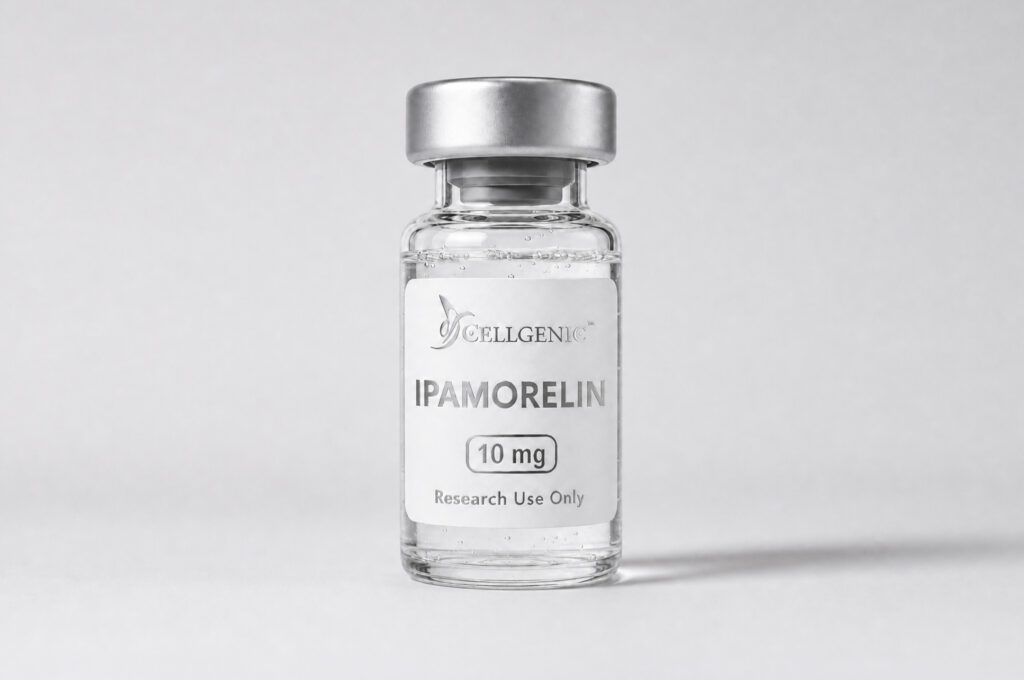
On the product side, CJC-1295 and Ipamorelin are usually sold as sterile peptide vials meant for reconstitution and subcutaneous use. Common consumer formats include:
- Lyophilized powder vials (common): reconstitute with bacteriostatic water or a specified diluent.
- Pre-measured dosing (less common): some kits aim to reduce dosing errors.
- Combination kits: bundles marketed as “stacking” for GH-support style outcomes.
Quality standards to look for: For something you inject (or would inject), you want documentation. Practical quality signals include availability of a Certificate of Analysis (CoA), lot numbers, and transparency about purity testing. Reputable sellers usually provide details rather than vague claims.
Practical red flags:
- Missing CoA or generic “tested” claims without a lot reference.
- No clear labeling of concentration (mg per vial) and expiration/reconstitution guidance.
- Unrealistic promises like “guaranteed results in 7 days.” (Real consumer outcomes are slower and variable.)
- Pricing that’s suspiciously low for what should be a controlled-quality process.
Dosage note (consumer perspective): You’ll see different dosing schedules online for CJC-1295 and Ipamorelin. Because people share regimens that may not match their exact product concentration, dosing can become a hidden variable in “how long it takes to see results.” That’s why measuring response with a short, structured experiment matters more than chasing someone else’s dosing chart.
Comparison of Common Options
Below is a consumer-style comparison of common ways people organize peptides. Actual dosing varies by product concentration and individual protocols, so use this as a framework for what you’re buying—not as dosing instructions.
| Format | Typical Dose/Use | Pros | Cons | Cost | Best For |
|---|---|---|---|---|---|
| CJC-1295 vial (reconstituted) | Often scheduled weekly/extended use (varies) | Long-acting marketing; simpler frequency | Response varies; quality differences across sources | Medium–High | People tracking recovery changes over weeks |
| Ipamorelin vial (reconstituted) | Often used more frequently (varies) | Often discussed as “selective” secretagogue | More injections; individual appetite/sleep effects | Low–Medium | People who want tighter consistency and tracking |
| CJC-1295 + Ipamorelin combo kit | Stack schedule (varies) | Convenient bundle; matched “GH support” narrative | Harder to attribute results if side effects occur | Medium–High | People already organized and consistent with basics |
| Starter pack with smaller vials | Lower commitment trial window | Helps you learn your response without long spend | May still not cover the full “how long it takes” window | Low–Medium | People uncertain about timelines and side effects |
| Alternative “GH-support” products (non-peptide) | Oral supplements with different mechanisms | No injection workflow; simpler routine | Mechanisms differ; might not match peptide-style expectations | Low–Medium | People who want lower-risk experimentation |
Buying Framework and Red Flags
If your goal is to evaluate how long it takes to see results from CJC-1295 and Ipamorelin, buying quality matters because inconsistent product quality can make timelines meaningless. Use this checklist before you purchase.
- CoA availability: Does the seller provide a Certificate of Analysis with a matching lot number?
- Clear labeling: Are concentrations and vial amounts stated (mg per vial, not vague “units”)?
- Expiration and storage: Is there guidance consistent with peptide handling (cool/dry storage, reconstitution instructions)?
- Customer transparency: Do they answer questions about formulation and documentation—or only market language?
- Pricing sanity: Is it far cheaper than similar products without justification?
- Support materials: Do they provide basic usage guidance (without encouraging risky “stack everything” behavior)?
- Logistics: Are shipping times and packaging described clearly?
Red flag warning: If a listing promises guaranteed results, or it dismisses side effects and monitoring, treat it as a quality and safety red flag—not just an marketing issue.
Common Mistakes and How to Avoid Them
- Mistake: Waiting for “day 3” mirror changes.
Avoid: Track recovery, sleep, and performance first; body composition is slower. - Mistake: Changing workouts and diet mid-trial.
Avoid: Keep training and nutrition steady for at least 2–4 weeks so you’re not mixing variables. - Mistake: No measurement plan.
Avoid: Use a simple weekly checklist: waist, morning weight average, workout PRs, and how often you feel unusually fatigued. - Mistake: Ignoring side effects until they get bad.
Avoid: Have a stop rule (for example: persistent headaches, concerning blood-sugar symptoms, or sleep disruption that worsens). - Mistake: Assuming “stacking” means synergy.
Avoid: If you do try a stack, keep it time-limited so you can still interpret outcomes. - Mistake: Buying from unclear sources.
Avoid: Prioritize documentation and lot-based testing signals before cost.
FAQ
Is CJC-1295 and Ipamorelin proven to work for gym results?
There’s a biological rationale and some supporting research around growth-hormone signaling, but that doesn’t equal proven, predictable “gym results” for every individual or every product source. Consumer outcomes vary widely. In practice, treat results as possible but not guaranteed, and evaluate with measurements rather than expectations.
How long does it take to see results from CJC-1295 and Ipamorelin after starting?
Many users report subtle changes (often recovery or how they feel) within 1–2 weeks, while more meaningful trends like steady strength progress or body-composition shifts typically take several weeks. If you see nothing consistent by around 4–6 weeks, reassess dosing accuracy, product quality, sleep, and whether your expectations were realistic for your baseline.
What side effects might people notice with CJC-1295 and Ipamorelin?
Commonly discussed issues in consumer reports include headaches, tingling or flushing sensations, appetite swings, sleep changes, and fatigue. Since people and products differ, side effects can also vary. If symptoms are persistent or worsening, stop the experiment and seek qualified medical advice.
Can you combine CJC-1295 and Ipamorelin with other supplements or training supplements?
Some people combine them with standard gym supplements, but combinations add complexity—both for side effects and for identifying what’s driving outcomes. If you’re tracking “how long it takes to see results,” keep additions minimal during your experiment so you can interpret cause and effect.
Are CJC-1295 and Ipamorelin better as oral alternatives or injections?
CJC-1295 and Ipamorelin are most commonly used as injectable peptides (reconstituted vials). Oral alternatives generally differ in mechanism and aren’t directly interchangeable, so “oral vs injection” comparisons are more about expectation management than equivalence. If injection workflows make you uncomfortable, consider a different category of product rather than assuming oral will replicate the same effects.
A Practical 2-Week Experiment Framework
This is designed for someone asking how long does it take to see results from CJC-1295 and Ipamorelin but wants a sensible way to learn without guessing.
Before you start (Day 0): take baseline photos in similar lighting, measure waist, record average morning weight (3 mornings if possible), and write down your top 3 lifts or training metrics.
Days 1–3: focus on tolerability. Note sleep quality, morning energy, headache frequency, appetite changes, and any unusual tingling or “off” feelings. If you get consistent negative symptoms, don’t “push through” for the sake of the timeline.
Days 4–7: keep training consistent. Track recovery (for example: soreness rating and whether you feel ready for the next session). If your sleep and recovery improve, that’s your earliest signal—even if body changes aren’t visible yet.
Days 8–10: check adherence to food and protein. Many perceived effects (positive or negative) can be explained by changes in appetite. If appetite swings cause you to miss calories or protein, that alone can change results.
Days 11–14: do a quick “data check.” Compare your second week to week one: training performance trend, soreness, sleep notes, and any side effects. You may not see dramatic visual changes, but you should know whether it’s helping or hurting your consistency.
Decision rule at Day 14: If you see no improvement in recovery, sleep, or training consistency—and you’re also dealing with side effects—don’t assume “it just needs longer.” Re-check product quality, your sleep and calorie targets, and whether you’re chasing a timeline that doesn’t match your baseline. If there’s a mild positive signal with tolerable side effects, you can extend into a longer window while continuing to track weekly metrics.
About the Author
Jordan Hale is a fitness equipment writer and product reviewer who focuses on real-world training routines and supplements/peptides used by recreational lifters. In the past, Jordan has personally documented multiple gym “experiments” using straightforward metrics—waist measurements, strength logs, and sleep tracking—while maintaining a cautious, evidence-aware stance. Jordan’s disclaimer: this article is for informational purposes only and reflects consumer-style observations and educational synthesis, not medical advice. Peptides involve risks and quality variability; if you have medical conditions or concerns, consult a qualified healthcare professional before starting any regimen.
Finally, if your main question is still how long does it take to see results from CJC-1295 and Ipamorelin, remember: timelines are best interpreted through your measurements. The most useful “result” early on is usually tolerability and consistency—not instant size.
Discussion